
The construction market is transforming
In recent years, not only have costs, technological expectations, and project complexities changed in the construction industry, but also the relationship between clients and contractors. A more controlled, documented, and transparent operation is replacing previous collaborations. In larger investments today, aspects such as sector coordination, cost and schedule control, change management, and support for client decisions are becoming integral parts of construction execution, just like the construction process itself.

During the execution of a modern office, hotel, or a development with hundreds of apartments, the work of dozens of sectors must be coordinated, decisions about long-lead materials must be made in a timely manner, the budget must be monitored, changes that arise during the process must be managed, and all of this must be documented so that the background of each decision can be traced accurately months or even years later.
One of the most important elements of this change is the strengthening of client control. According to Péter Haberl, managing partner at DVM, the relationship between clients, investors, and contractors has noticeably transformed in recent years. "Today, it is much more typical for the client to want to see deeply into the processes. The general contractor is particularly exposed in large-scale projects. Due to performance guarantees and corrections around handover, the end of the project often becomes a tight period both contractually and financially. The handover of a large-scale building inherently includes a detailed finalization phase according to a defect list, yet contracts often assume a momentary, completely closed handover." – highlights Péter Haberl.
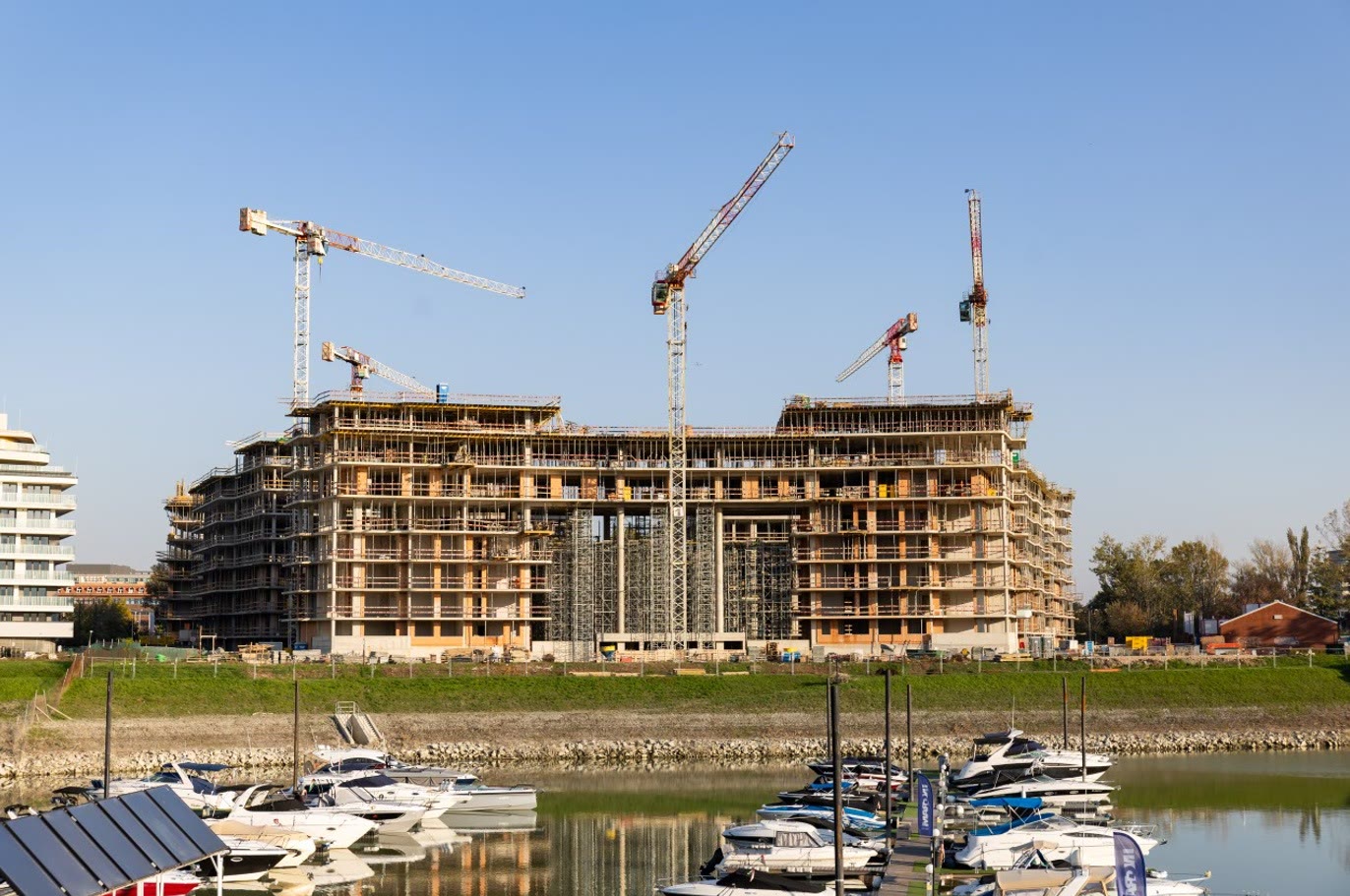
With the increase in complexity, it becomes increasingly valuable for the contractor not to merely encounter the plans as an executor. One characteristic of DVM's operation is that the company started as a design office and later expanded into the construction sector. Thus, both design and construction thinking are present within the same organization.
"The significance of this is particularly evident when various sector plans must come together to form a single functioning building. On a coordinated plan, where all sectors are visible, one should not have to search through separate documents to find, for example, where the mechanical systems run, where a camera, light fixture, or access control goes, and the relationships between these must also be visible." – emphasizes Péter Haberl.
The importance of sector coordination increases with the size of the projects. In a large hotel or office building, the mechanical, electrical, fire protection, interior design, and operational requirements must all function within the same space, while construction must also adhere to cost and time constraints.
This complexity can be addressed by DVM's signature design & build model, which allows certain phases of design and construction to occur not sequentially, but partially in parallel. In the traditional model, the entire design process is followed by tendering and then construction. However, in the design & build structure, some work can begin while certain details are still being designed. For example, a demolition or wall construction plan is needed at the beginning of the project, while furniture or certain interior design junctions can be finalized later.
While this can save time, it requires much tighter coordination and faster client decision-making. The model works when the budget is sufficiently accurate from the start of the project, the responsibility system is clear, and the designer, contractor, and investor decisions are made in a timely manner.
Value engineering is also playing an increasingly important role in cost control. Especially in high-quality interior design projects, it often happens that the tender price of a completed concept exceeds the investment budget. In such cases, it is not simply a matter of finding cheaper materials, but rather an alternative that can meet the original expectations from a technical, aesthetic, and operational perspective.
The growing complexity of the construction market is particularly evident in large hotel developments. In recent years, DVM has worked on several such projects, including the W Budapest and The St. Regis Budapest located in the Klotild Palace.
Transforming a historic building into a five-star hotel must simultaneously comply with heritage constraints, current building mechanical and fire protection regulations, international hotel brand requirements, and the interior design concept. "Implementing a five-star hotel in a historic building with the technological expectations of the 2020s is a serious challenge. Cooling, heating, electronics, fire protection, heat and smoke extraction, all modern requirements must fit in while the historical parts of the building also become an integral part of the project," says Péter Haberl.
During the construction of the Klotild Palace, for example, the base building, fit-out, and heritage works ran in parallel. From decorative painting and decorative sheet metal work to terrazzo and stone works, a variety of trades with different work rhythms and specialized knowledge had to be coordinated within a single schedule.
Procurement is similarly complex. A significant portion of the natural stones, custom metal surfaces, textiles, wallpapers, or other special materials used in the interiors of a five-star hotel are not stock items, so a late decision or incorrect order can mean not only costs but also weeks or months of delays. "We need to think ahead. We work with many valuable materials where a wrong decision or late order can mean serious money and time," adds Haberl.
The increasingly complex buildings, stricter technical and operational requirements, interdependent sector works, and changes in cost and time constraints all influence construction. It is crucial during the process that conflicts between the plan, cost, deadline, and feasibility are surfaced in a timely manner. The contractor's task is to present alternatives and create a decision-making situation where the investor can still choose when it can have a real impact on the project.
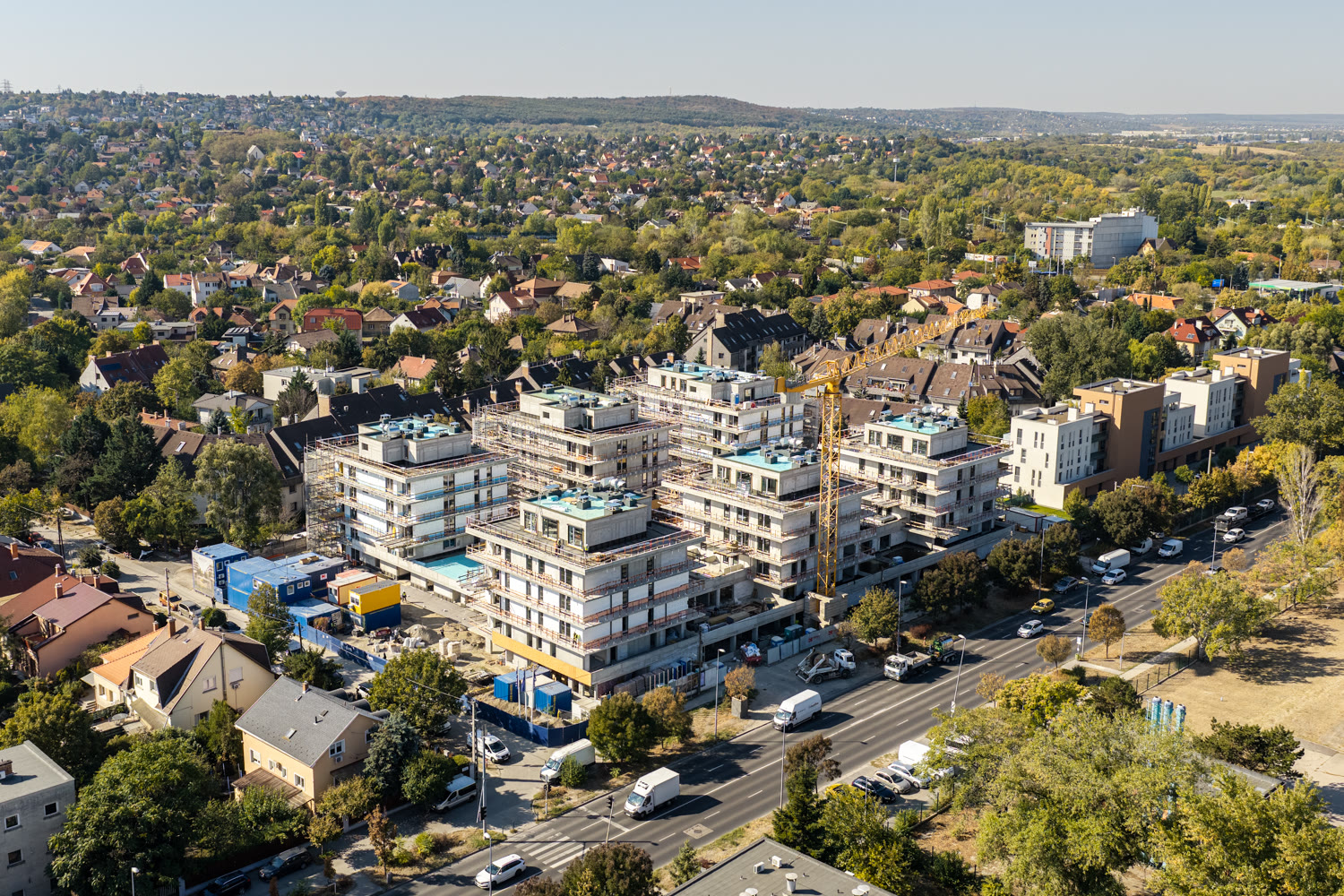
With the increase in complexity, it becomes increasingly valuable for the contractor not to merely encounter the plans as an executor. One characteristic of DVM's operation is that the company started as a design office and later expanded into the construction sector. Thus, both design and construction thinking are present within the same organization.
"The significance of this is particularly evident when various sector plans must come together to form a single functioning building. On a coordinated plan, where all sectors are visible, one should not have to search through separate documents to find, for example, where the mechanical systems run, where a camera, light fixture, or access control goes, and the relationships between these must also be visible." – emphasizes Péter Haberl.
The importance of sector coordination increases with the size of the projects. In a large hotel or office building, the mechanical, electrical, fire protection, interior design, and operational requirements must all function within the same space, while construction must also adhere to cost and time constraints.
This complexity can be addressed by DVM's signature design & build model, which allows certain phases of design and construction to occur not sequentially, but partially in parallel. In the traditional model, the entire design process is followed by tendering and then construction. However, in the design & build structure, some work can begin while certain details are still being designed. For example, a demolition or wall construction plan is needed at the beginning of the project, while furniture or certain interior design junctions can be finalized later.
While this can save time, it requires much tighter coordination and faster client decision-making. The model works when the budget is sufficiently accurate from the start of the project, the responsibility system is clear, and the designer, contractor, and investor decisions are made in a timely manner.
Value engineering is also playing an increasingly important role in cost control. Especially in high-quality interior design projects, it often happens that the tender price of a completed concept exceeds the investment budget. In such cases, it is not simply a matter of finding cheaper materials, but rather an alternative that can meet the original expectations from a technical, aesthetic, and operational perspective.
The growing complexity of the construction market is particularly evident in large hotel developments. In recent years, DVM has worked on several such projects, including the W Budapest and The St. Regis Budapest located in the Klotild Palace.
Transforming a historic building into a five-star hotel must simultaneously comply with heritage constraints, current building mechanical and fire protection regulations, international hotel brand requirements, and the interior design concept. "Implementing a five-star hotel in a historic building with the technological expectations of the 2020s is a serious challenge. Cooling, heating, electronics, fire protection, heat and smoke extraction, all modern requirements must fit in while the historical parts of the building also become an integral part of the project," says Péter Haberl.
During the construction of the Klotild Palace, for example, the base building, fit-out, and heritage works ran in parallel. From decorative painting and decorative sheet metal work to terrazzo and stone works, a variety of trades with different work rhythms and specialized knowledge had to be coordinated within a single schedule.
Procurement is similarly complex. A significant portion of the natural stones, custom metal surfaces, textiles, wallpapers, or other special materials used in the interiors of a five-star hotel are not stock items, so a late decision or incorrect order can mean not only costs but also weeks or months of delays. "We need to think ahead. We work with many valuable materials where a wrong decision or late order can mean serious money and time," adds Haberl.
The increasingly complex buildings, stricter technical and operational requirements, interdependent sector works, and changes in cost and time constraints all influence construction. It is crucial during the process that conflicts between the plan, cost, deadline, and feasibility are surfaced in a timely manner. The contractor's task is to present alternatives and create a decision-making situation where the investor can still choose when it can have a real impact on the project.